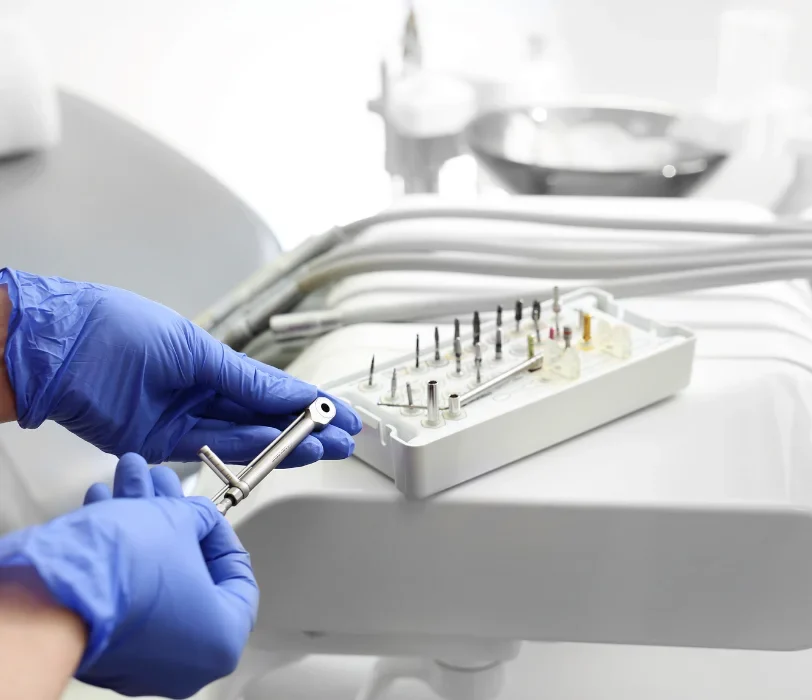
The question of how implant surgery is performed is frequently asked by individuals seeking cosmetic dentistry. Implant surgery is a widely preferred treatment method for individuals experiencing tooth loss. This surgical procedure generally involves the process of placing the dental implant directly into the jawbone.
Implant surgery involves integrating a screw-like implant made of titanium into the jawbone. This procedure is usually performed under local anesthesia, and the surgeon determines the correct position of the implant with the help of previously taken radiographic images. Dental implants improve the patient's oral health and appearance by providing a function and aesthetic similar to natural teeth. Another important stage of implant surgery is the healing process, which ensures that the implant fuses with the jawbone. This period can typically vary from a few weeks to a few months, and the patient may need to wait before a prosthetic tooth can be placed on the implant that has integrated with the bone. During this time, patients support the healing process by following the care instructions provided by their doctor, ensuring the implant successfully fuses. Implant surgery offers an effective and long-term solution for individuals seeking to regain function and aesthetics lost due to tooth loss. However, it is important to note that implant surgery may not be suitable for every patient. Implants may not be successful in individuals who do not have healthy jawbone and overall health. Therefore, it is recommended that individuals considering implant treatment first undergo a detailed evaluation and consultation process with a dentist.
How Is Implant Surgery Performed Step by Step?
Dental implant surgery is a procedure that helps people with missing teeth restore oral function and aesthetics. Performed by a specialist dentist or oral surgeon, it involves placing a screw-like titanium implant into the jawbone. The process typically begins with radiographic imaging and assessment of bone quality and volume to plan the ideal implant position. Under local anesthesia, the clinician makes a small incision in the gum and prepares an osteotomy in the jawbone before inserting the titanium implant. Healing then allows osseointegrationbone cells bond to the implant’s surface to create a stable anchor. Once healing is complete, an abutment and a prosthetic crown (or bridge) are fitted, providing a natural look and function. Thanks to advances in modern dentistry, implant treatment is safe and effective, but careful evaluation and consultation are essential because every patient is different.
Local Anesthesia: Blocking the Sensation of Pain
First, the patient's pain sensation is blocked using local or general anesthesia. After anesthesia is administered, the area where the implant will be placed is cleaned, and if necessary, the existing tooth is extracted. Then, a small incision is made in the gums to access the area where the implant will be placed in the jawbone. Since the implant is designed to act like a natural tooth root, a hole is drilled into the jawbone using a special drill. The titanium implant is placed into the created space and screwed in tightly. After the implant is placed, a cap is placed over the incision in the gum to cover the implant, and 1-2 stitches are usually applied to this area. These stitches are used to support the healing process and help the implant integrate with the jawbone. These stages of implant surgery may vary depending on the patient's tooth loss situation and the health of the jawbone. However, in general, implant surgery is considered a highly successful and reliable treatment option thanks to technological advances and surgical skills in modern dentistry.
The Integration Process of Implants Placed in the Jaw
The process of integrating the implant placed in the jawbone into the bone typically takes between 2 and 6 months. This integration phase is critical to ensuring the success of the surgery by forming a strong bond between the implant and the jawbone. During this period, bone cells in the jawbone grow toward the implant's surface and envelop it, enabling fusion. This biological integration allows the implant to settle firmly into the bone and fuse with the jawbone. Complete integration into the jawbone is critical for the application of restorative procedures such as prosthetic teeth or dental bridges. This process enhances the durability and function of the prosthesis by creating a strong foundation for the implant within the jawbone. In most cases, radiographic images and other evaluation methods are used to determine whether the implant has successfully integrated with the jawbone. This stage is an important step in ensuring the long-term success of the implant and enabling the patient to achieve a function similar to that of natural teeth.
Placement of the Abutment
After the jaw has healed successfully and the implant has fully integrated into the bone, an additional surgery may be performed to place the abutment, which serves as the foundation for attaching the crown to the implant. This surgery is usually performed under anesthesia. In the first stage of the surgery, a small incision is made in the gums to expose the implant. The abutment is a connecting element that is attached to the implant and forms the point where the prosthesis will be attached. During this procedure, the abutment is securely attached to the dental implant, then the gum around the implant is closed and stitched. After this surgical stage, a period of approximately 2 weeks is usually allowed for the gums to heal. The placement of the abutment marks the beginning of restorative procedures such as fixing the prosthesis or attaching an implant-supported dental bridge. This stage is important to ensure that the implant works in harmony with the jawbone and that the patient achieves aesthetically and functionally satisfactory results. During the postoperative period, it is also very important for the patient to follow the dentist's instructions for care and attend regular check-ups.
Preparation of the New Implant Crown
Once the gums have fully healed, the next step involves preparing a new implant crown in consultation with the dentist. At this stage, the dentist takes an impression of the patient's mouth to ensure proper alignment. This impression is used to produce a specially designed implant crown and forms the basis for manufacturing a prosthetic tooth tailored to the patient's jaw structure. The crown (the cap on top of the implant) is not placed until the jawbone is strong enough to support the new tooth. This process involves waiting for the jawbone to fully fuse with the implant and form a solid foundation. Removable or fixed prosthesis options may be recommended by the dentist based on the patient's needs and preferences. This decision is made taking into account the patient's aesthetic expectations, jaw health, and overall oral condition. Once the decision is made, the fifth and final step is the completion of the implant surgery. This stage results in the successful placement of the implant, its integration with the jawbone, and the placement of the prosthesis in a manner suitable for the patient's needs. These steps of the implant surgery are planned and performed to provide aesthetics and function similar to natural teeth, tailored specifically to the patient's tooth loss situation.
Final Step: Crown Assembly Process
The final stage of implant treatment involves placing a crown on the implant to secure the artificial tooth. In this step, the dentist works to place a specially designed crown on the implant. In some cases, the dentist may practice to check the shape of the crown, paying attention to the position of the replaced tooth and its fit in the mouth. Once the final decision is made, the artificial tooth is screwed or glued onto the implant. This means that the implant has been successfully placed and integrated, works in harmony with the jawbone, and the prosthesis fits the patient's mouth structure. After implant surgery, bruising and swelling may occur in the gums and soft tissues due to the procedure. After the procedure, ice can be applied to the surgical site as recommended by the dentist to reduce swelling and provide relief to the gums. The patient is also given care instructions to follow during the healing process. This step ensures that the patient regains aesthetics and function similar to natural teeth, while also guaranteeing the long-term success of the implant.
Contact Us Now to Get Answers to Your Questions About Implant Surgery
Implant surgery is a surgical procedure that offers an aesthetic and functional solution for individuals experiencing tooth loss. You can contact us now to learn more about this procedure and to create a treatment plan tailored to your specific needs. The implant surgery process is meticulously managed by our expert dentists and supported by modern technology and surgical skills. In the initial stage, the implant is placed into the jawbone using local or general anesthesia. Then, a healing process begins for the jawbone and implant to fully integrate. Contact us to learn more about the details of implant surgery and the progress of the process, evaluate your treatment options, and create the most suitable plan for you. Our team of experts is ready to guide you toward a healthy and aesthetically pleasing smile, taking your specific situation into consideration.
https://www.youtube.com/watch?v=B0YKOv3zK-0