What Is Tooth Extraction?
Tooth extraction, it is often an implemented procedure by dentists for a variety of reasons and may be required. Typically, rotten, broken, cracked, or more to pull teeth is a treatment that is not referenced. In this procedure, the tooth needs to be extracted in case of damage to other teeth, or when the tooth is used. Tooth extraction, is an important step to maintain the patient's oral health and general health.
Prior to the operation of tooth extraction, the dentist generally applies local anesthesia, thus prevents you from feeling pain during the procedure the patient. More complex or challenging situations, alternative methods such as sedation or general anesthesia dentists can also apply. This, it is important to improve the comfort and convenience of the patient during operation and may reduce stress and anxiety.
After the extraction, the healing process it is important to manage the patient in the best way. Dentists clean the area taking the necessary steps and appropriate manner, such as shooting bandajlamak supports the healing process. In addition, the patient during the healing process to relieve pain and reduce the risk of infection is also appropriate medications and other methods of treatment can be proposed.
In some cases, teeth may need to be extracted in adults. The use of adult female childhood instead of milk teeth ideal for a variety of reasons may require tooth extraction. The most common of these causes to the teeth due to decay, trauma, or is damaged beyond repair. Dentists also, especially to the jaw doesn't fit exactly, and that require orthodontic treatment are numerous teeth if you can see fit to withdraw from the mouth to the teeth in preparation for the start. In similar cases, gums, teeth on the affected tooth or teeth can be pulled for The Haunting of 20 years. Tooth damage or tooth decay has spread to the pulp to the exterior of the nerves and blood vessels to the core by entering the bacteria in the mouth can cause infection. This usually can be corrected with root canal therapy, but the infection is very severe, antibiotics or root canal treatment is not sufficient to prevent the spread of the infection, the tooth may need to be extracted. In a similar situation, chemotherapy or organ transplant when the immune system is compromised because of the drugs that are used for some other medical complications due to a tooth may even be a good enough reason to pull out of the risk of infection.
Tooth Extraction Is Done, How It Takes Place?
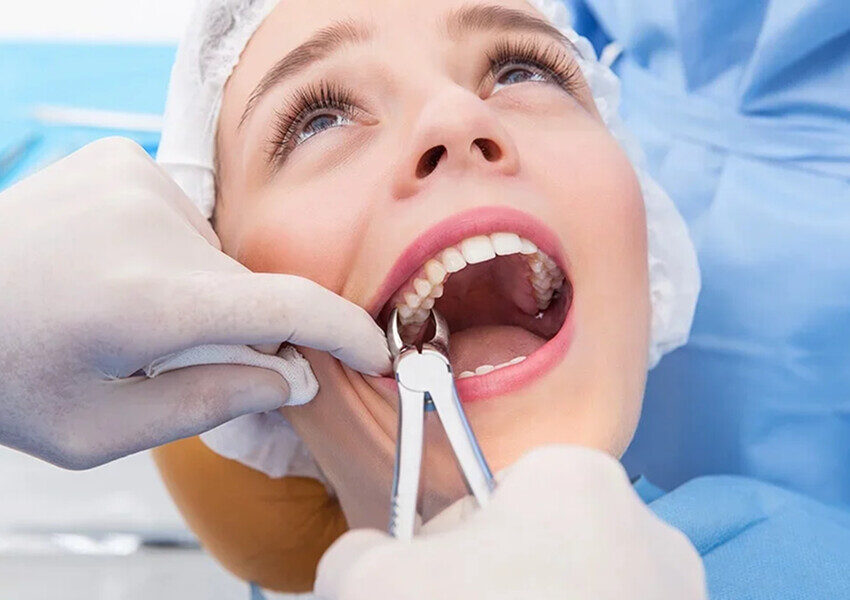
Most of us are scared to tooth, in fact, is a very simple process that is done under local anesthesia. The dentist checks the health of the teeth and the general condition of the patient first. The Shape of the soft tissue of the tooth and surrounding bone, length, position, and status, dental X-rays examines and makes a definitive diagnosis on the situation. A simple surgical procedure under local anesthesia after the area is numbed, the elevator, and Outer are separated at the request of the dentist are drawn. According to the status of the case may require bone shaping. Exterior shots of dentists specially trained to do the next surgery can be done by oral surgeons.
The dentist pulled the tooth before the tooth is extracted to inject a local anesthetic to numb the area where the patient was cancer. In some cases, especially damaged, a dental may use general anesthesia to remove the wisdom teeth stronger. This avoids the pain and put you to sleep during the process of general anesthesia. Gum and bone tissue that covers the tooth, the dentist cuts.
Then out from the jaw bone with forceps and grasp the normally out-of-place to remove it from the ligament that holds it in lightly back and forth moves. In some cases, a tooth may be removed in a few pieces that could not be removed. It's possible to have bleeding after tooth extraction, and it is necessary. You left out in the space, a clot usually occurs. The cavity of the tooth the dentist places a gauze to stop the bleeding and the patient tells them to bite. In some cases, shooting spontaneously fusing sutures to close the edges of the gums dentists in the area you can throw.
Sometimes the clot remain free in the nest and the nest falls and exposes the bone. This is painful and risky situation. Septic (bacterial) given the name of the socket, this condition is called dry socket. To begin the healing process from the formation of a clot, dentist in the slot for a few days, you can apply a paste of pain relieving antiseptic or antibiotic.
Pain After Tooth Extraction
Pain after tooth extraction is a fairly common condition and usually occur after one has passed the effect of local anesthesia applied during the process. This pain, irritation of the tissues in the shooting area, inflammation and can occur as part of the healing process. And in most cases mild to moderate and usually subside within a few days the pain will disappear. However, in some cases, the pain may be a sign of complications after tooth extraction and may take much longer. A few precautions can be taken to relieve pain after tooth extraction. First, to take pain relief medications recommended by your dentist, and it may be useful to apply to the mouth area. Also, by using cold compresses or ice packs to reduce swelling and alleviate pain cold therapy can be applied to the shooting area. However, severe and unbearable pain, bleeding or signs of infection in such cases, it is important to consult a dentist immediately.
Eat After Tooth Extraction
After the extraction, there may be bleeding and numbness in your mouth for a few hours usually. Therefore, it is not recommended to eat in the first few hours after tooth extraction. Also, shooting in the area to begin the healing process and the formation of blood clots after shooting for a few hours chewing activity and absorption, it is recommended to be avoided.
The choice to eat after tooth extraction, soft, pure, contains or juicy foods should be preferred. For example, soup, mashed vegetables, yogurt, pudding, or foods such as fruit smoothies, you may be eligible for the first few days after the shooting. Such foods can be obtained without damage to the shooting area without increasing the pain.
In addition, after an extraction, alcohol, caffeine, carbonated drinks and hot drinks such as irritant substances are recommended to be avoided because it may increase the sensitivity of these shots in the region, and can affect the healing process. During the healing process, your dentist's recommendations to follow, and when you feel pain or discomfort, it is important to communicate with him.
Bleeding After Tooth Extraction
Bleeding after tooth extraction is common and usually occur after one has passed the effect of local anesthesia applied during the process. Bleeding after tooth extraction, is caused by damage to the blood vessels in the shooting area and usually mild to moderate. This bleeding usually stops within a few hours, and the healing process begins with the formation of blood clots.
Some measures can be taken to control bleeding after tooth extraction. First, gauze or cotton pads recommended by your dentist can help to stop bleeding slightly to suppress the shooting area for 20-30 minutes. Also, raise your head slightly reduce the amount of bleeding can also use a pillow and lying.
However, bleeding after tooth extraction or severe if not controlled, it is important to see a dentist immediately. Also, excessive bleeding or continue for a long time, may require immediate medical intervention and can be a sign of complications after tooth extraction.
To summarize, slight bleeding after tooth extraction is normal and usually stops within a few hours. However, in case of severe or prolonged bleeding, it is important to see a dentist immediately.
Inflammation After Tooth Extraction
Diş çekimi sonrası iltihaplanma, bazı durumlarda ortaya çıkabilen bir komplikasyondur ve genellikle işlemin hemen ardından veya sonrasında gelişebilir. İltihaplanma, çekim bölgesindeki enfeksiyonun bir işareti olabilir ve ağrı, şişlik, kızarıklık, sıcaklık artışı veya kötü tat gibi belirtilerle kendini gösterebilir. Diş çekimi sonrası iltihabı önlemek için, diş hekiminizin önerdiği talimatları dikkatle takip etmek önemlidir. Bu talimatlar genellikle çekim bölgesinin nasıl temizleneceği, antibiyotik veya ağrı kesici ilaçların nasıl alınacağı ve iltihap belirtileri konusunda ne zaman diş hekimine başvurulması gerektiği gibi konuları içerebilir. İltihaplanma durumunda, diş hekimine başvurmak önemlidir. Diş hekimi, iltihabın nedenini belirlemek için çekim bölgesini inceleyebilir ve uygun tedaviyi önerebilir. Bu tedavi genellikle antibiyotik ilaçlar, ağrı kesiciler veya çekim bölgesine uygulanacak antiseptik solüsyonlar içerebilir. Özetle, diş çekimi sonrası iltihaplanma ciddi bir sorun olabilir ve tedavi edilmezse diş ve çevresindeki dokuları etkileyebilir. Bu nedenle, çekim sonrası belirtilerden herhangi biri ortaya çıktığında veya şüpheli bir durum olduğunda, derhal bir diş hekimine başvurmak önemlidir.
Diş Çekimi Fiyatları 2024
Diş çekimi fiyatları, çeşitli faktörlere bağlı olarak değişiklik gösterebilir. Bu faktörler arasında:
- Dişin Konumu: Dişin yerleşimi, çekim işleminin zorluğunu etkiler. Örneğin, dişin çekilmesi daha zor veya karmaşık bir bölgede ise fiyatlar artabilir.
- Diş Hekimi Deneyimi: Deneyimli bir diş hekimi, daha karmaşık vakaları daha etkili bir şekilde yönetebilir, bu nedenle deneyimli bir hekimle yapılan diş çekimi işlemleri genellikle daha yüksek maliyetlidir.
- Kullanılan Anestezi Türü: Genellikle lokal anestezi kullanılır, ancak bazı durumlarda sedasyon veya genel anestezi gerekebilir. Bu durumda, kullanılan anestezi türü fiyatlara etki edebilir.
- Sigorta Kapsamı: Sağlık sigortası poliçenize bağlı olarak, diş çekimi işlemleri bir kısmen veya tamamen kapsanabilir. Sigorta kapsamı, ödenecek toplam tutarı etkileyebilir.
- Klinik Lokasyonu: Kliniğin bulunduğu bölgeye göre fiyatlar değişebilir. Genellikle büyük şehirlerdeki kliniklerde fiyatlar daha yüksek olabilir.
Genel olarak, basit bir diş çekimi işlemi için maliyet genellikle fiyatlar değişebilir. Ancak, çekim işleminin zorluğuna, kullanılan anestezi türüne ve diğer faktörlere bağlı olarak bu fiyatlar değişiklik gösterebilir. Ödenecek tam maliyeti belirlemek için bir diş hekiminden veya klinikten bilgi almak en iyisidir.
Diş Çekimi Konusunda Profesyonel Destek İçin Buradayız!
Diş çekimi, ağız ve diş sağlığıyla ilgili birçok durumda gerekebilecek önemli bir prosedürdür. Eğer siz de çekim işlemiyle ilgili endişeleriniz varsa veya bu konuda daha fazla bilgi almak istiyorsanız, doğru adrestesiniz. STR Dent olarak, uzman kadromuz ve modern tesislerimizle size en kaliteli hizmeti sunmak için buradayız.
Diş çekimi işlemi öncesinde ve sonrasında yaşayabileceğiniz her türlü sorun veya merak ettiğiniz her konuda sizlere yardımcı olmak için uzman diş hekimlerimizle iletişime geçebilirsiniz. Size en uygun tedavi seçeneklerini sunmak ve size rahatlatıcı bir deneyim sağlamak için buradayız.
Frequently Asked Questions
Diş çekimi ağrılı bir işlem midir?
- Diş çekimi anestezi altında yapılır ve işlem sırasında ağrı hissedilmez ancak tedavi sonrasında ağrı oluşabilir. Ortaya çıkan ağrı ağrı kesicilerle kontrol altına alınabilecek düzeydedir.
Çekim sonrası şişlik oluşur mu?
- Yanakta şişlik yani ödem gelişimi dişin konumuna göre ve kişiden kişiye değişir. Şişliği önlemek için ilk 24 saat yanak bölgesine soğuk kompres uygulanmalıdır. Bölgede bir miktar şişlik normaldir ve iyileşme için gereklidir.